
Building a Crew Pipeline So One Bad Week Doesn't Sink Your Season
A year-round recruiting and retention system that keeps roofing crews staffed through turnover, seasonal swings, and sudden growth.
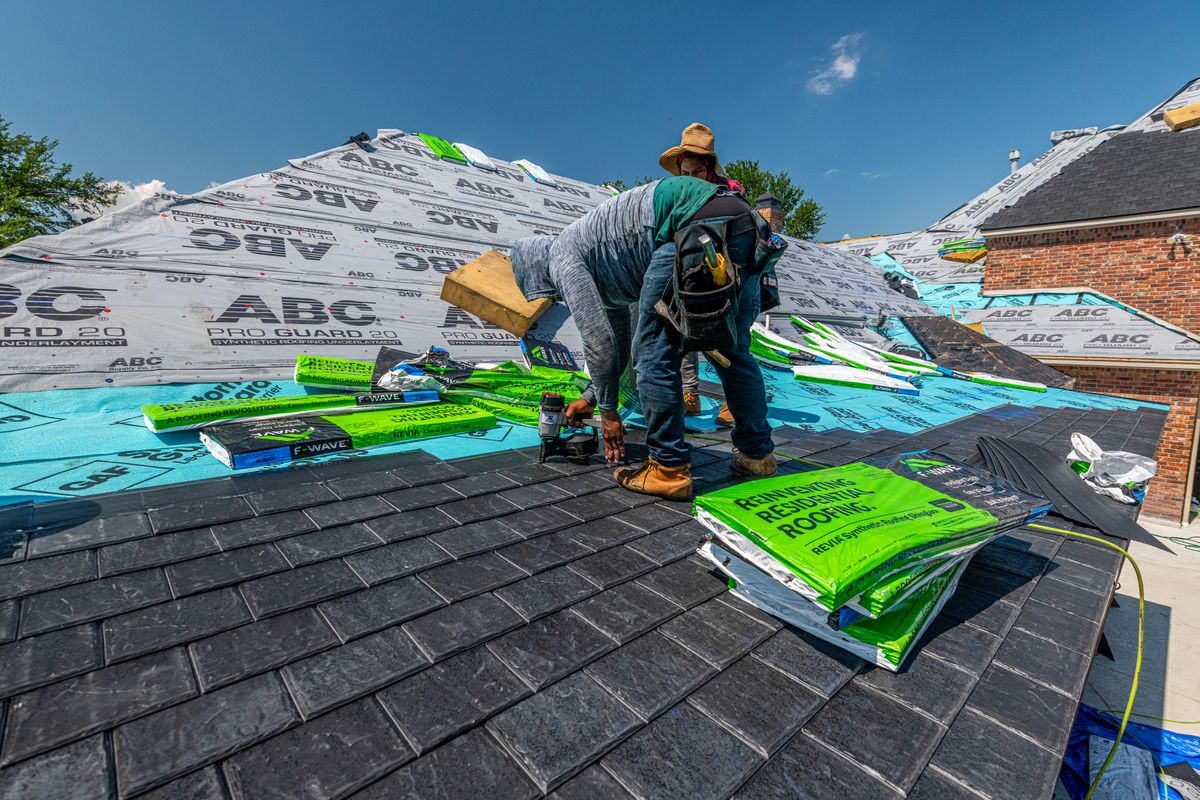
The Cost of Reactive Hiring
Most roofing companies hire crew labor reactively: a crew leaves or a job pipeline suddenly grows, and hiring becomes an urgent scramble. Reactive hiring almost always means lower-quality hires, rushed onboarding, and a repeating cycle where turnover and understaffing feed each other. A crew pipeline built and maintained year-round, even during slow season, breaks that cycle.
Step 1: Separate Recruiting From Hiring
The core mistake in reactive hiring is treating recruiting and hiring as the same activity. They are not. Recruiting is the ongoing work of building relationships with potential crew members, subcontractor teams, and referral sources before there is an open need. Hiring is the act of bringing someone on when a specific slot opens. Companies that only recruit when they are hiring are always starting from zero.
Roughly how many inbound calls do you take in a week?
Tap to start. 5 quick questions, then see your monthly number.
Build recruiting into a standing, low-effort habit:
- Keep a running list of promising candidates met at trade shows, supply houses, or through referrals, even when there is no open role
- Stay in light, occasional contact with strong crew members who have left for other reasons (better opportunity, relocation), since roofing labor markets are smaller than they look and good people often become available again
- Ask every current high performer, at least twice a year, if they know anyone looking for work, since your best crew members' networks tend to look like your best crew members
Step 2: Build Multiple Labor Channels, Not One
Relying on a single source, whether that is one staffing agency, one subcontractor relationship, or word of mouth alone, creates fragility. A resilient pipeline draws from several channels simultaneously:
- W-2 core crews, hired and trained directly, who carry your company's quality standard and culture
- Trusted subcontractor relationships, vetted over time, used to flex capacity up during busy periods without the overhead of direct employment
- Apprenticeship or trainee pathways, bringing in less experienced labor at a lower cost and training them into skilled roles over time, which also builds loyalty since you invested in them early
- Referral incentives, a standing bonus for current employees who refer someone who is hired and stays past a defined milestone (ninety days is a common, reasonable threshold)
Step 3: Fix the Onboarding Gap
A large share of early crew turnover happens in the first two weeks, often because a new hire is handed a nail gun and put on a roof with minimal structured onboarding, then judged against experienced crew members' pace. A short, structured onboarding process improves both retention and safety:
- A documented first-week plan pairing new hires with an experienced mentor, not just "shadow whoever is around"
- Clear, written safety expectations covered before the first roof, not assumed to be common knowledge
- An explicit check-in at the two-week and thirty-day mark, since problems caught early are far easier to correct than ones discovered at the ninety-day review
Step 4: Address Retention Directly, Not Just Recruiting
Recruiting effort is wasted if turnover keeps draining the pipeline as fast as it fills. A few retention levers specific to roofing crews:
- Pay transparency and predictability. Crews who understand exactly how piece-rate or hourly pay is calculated, and see it applied consistently, trust the company more than crews guessing at a formula.
- Safety investment that is visible, not just compliant. Quality harnesses, regular equipment inspection, and a genuine no-retaliation policy for reporting hazards signal that safety is a value, not a minimum-compliance checkbox.
- A real path to advancement. Crew members who can see a path from laborer to crew lead to supervisor are far more likely to stay through a slow season than those who see the job as a dead end.
- Off-season stability. Even a modest amount of guaranteed off-season work (repairs, maintenance contracts, gutter work) gives seasonal crews a reason to stay with your company rather than another one that lays off completely.
Step 5: Track Pipeline Health Like a Sales Funnel
Treat your labor pipeline with the same rigor as your lead pipeline:
- Number of active recruiting relationships (not open roles, relationships) tracked monthly
- Time-to-fill for open crew positions, tracked over time to catch a slowing pipeline before it becomes a crisis
- Ninety-day retention rate by hiring channel, to identify which channels are actually producing crew members who stay
The Long Game
A crew pipeline built only when there is an urgent need will always produce rushed, lower-quality hires. A pipeline maintained year-round, across multiple channels, with real attention to onboarding and retention, means that when the next storm season or growth spurt hits, staffing up is a matter of activating relationships already in place rather than starting a search from nothing.
Most shops lose more booked work at the phone than they realize. See your monthly number.
See my number →